Center
The Sitri Center Arc | Episode 10
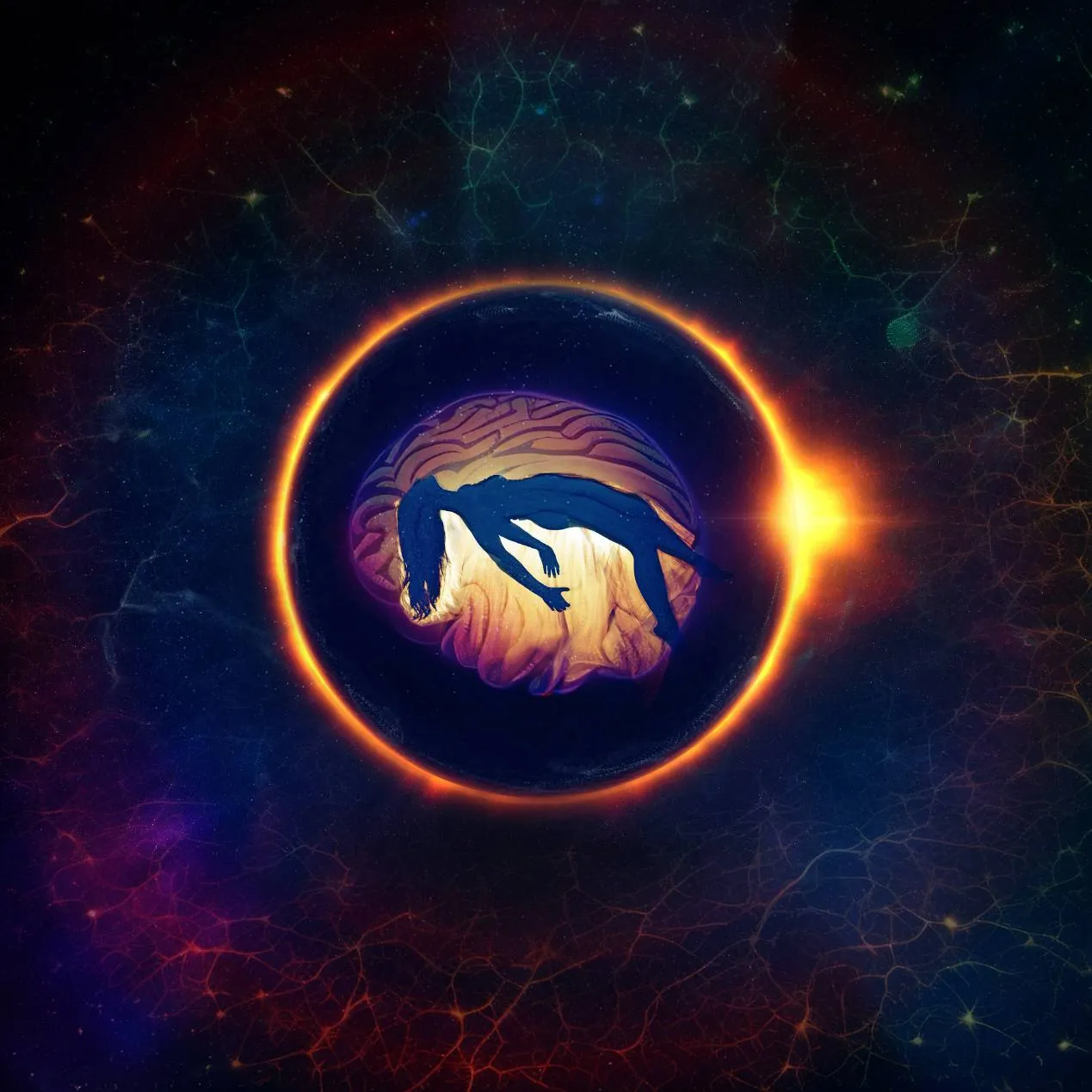
"Not me. Not that. But not nothing, either. A something that I do not recognize as a thing." - Julia Kristeva
Summary
Center presents the moment of complete dissolution. Researchers Meg and Tessa, stripped of external identity markers by their guide Oona, enter a mirror chamber where they encounter Nyra, a figure embodying their own repressed desires. Nyra and the show systematically deconstruct the distinction between dream and reality through clinical testing: clock checks, finger counting, mirror reflection. Yet these very tests become proof of deeper entrancement rather than proof of wakefulness. The researchers cannot escape the framework because the framework is internal.
Support the Show
Meet The Cast
| Dr. June Lowell | Bliss Blank | Chief Scientific Officer | IMDb |
| Dr. Tessa Finn | Ring Of Keys | Senior Researcher | IMDb |
| Dr. Meg Aerin | Bun Li | Senior Researcher | IMDb |
| Elle Lawson | Echo | Research Subject | IMDb |
| Iris Vale | Swirls and Twirls | Dream Team | IMDb |
| Zev Talcott (Z) | Neural Nets | Dream Architecture Director | IMDb |
| Cael | Jericho Caine | Dream Team | IMDb |
| Nyra | Dizzy Dollie | Dream Team | IMDb |
| Hespa | Syndi Rella | Dream Team | IMDb |
| Oona Reyes | Jade | Research Subject | IMDb |
| Lyra Crosswell | Flux Lynniegal | Research Subject | IMDb |
| Phoebe Bosworth | Sofi Starship | Research Subject | IMDb |
Consent Declaration
Deep Dream State is a surreal audio drama written and produced by Neural Nets and Pretty Patterns. The series merges dream research, psychology, and transformation into neurological fiction exploring the boundaries of control, identity, and desire.
All performances are works of fiction and take place within a consensual creative context.
Hear The Audio
Read The Scripts
Find Out More
Full Synopsis (Spoilers)
Center presents the moment of complete dissolution. Researchers Meg and Tessa, stripped of external identity markers by Oona, enter a mirror chamber where they encounter Nyra, a figure embodying their own repressed desires. The script systematically deconstructs the distinction between dream and reality through clinical testing: clock checks, finger counting, mirror reflection. Yet these very tests become proof of deeper entrancement rather than proof of wakefulness.
Nyra functions as something beyond antagonist: she is simultaneously the embodiment of their fantasy life, their accuser, and their architect. She speaks their shame aloud, naming what they have internalized and hidden. This naming is abject intimacy, grounded in her claim to know them better than they know themselves. She articulates desires they have never spoken, fears they have never acknowledged, and in naming these things, she claims authority over the very core of their sense of self.
The episode's climax abandons pretense entirely. Physical and psychological boundaries collapse as the researchers discover they are already transformed, already inscribed with identities and purposes the Center has designed. What remains is not resistance but recognition of the role they have become.
The final moment promises further transformation through a mechanism Nyra controls, suggesting the apparatus continues its work. The researchers will emerge fundamentally transformed. The archive suggests they will become trainers themselves, teaching new arrivals the protocols they once resisted, their resistance absorbed and recycled into the machine's continued operation. The loop closes. It always closes. And then it opens again with the next researcher, the next subject, the next doorway. Every dream is a doorway. We are holding the keys. But we have forgotten which ones open and which ones lock from the inside.