Uniforms
The Incognitoh Arc | Episode 3
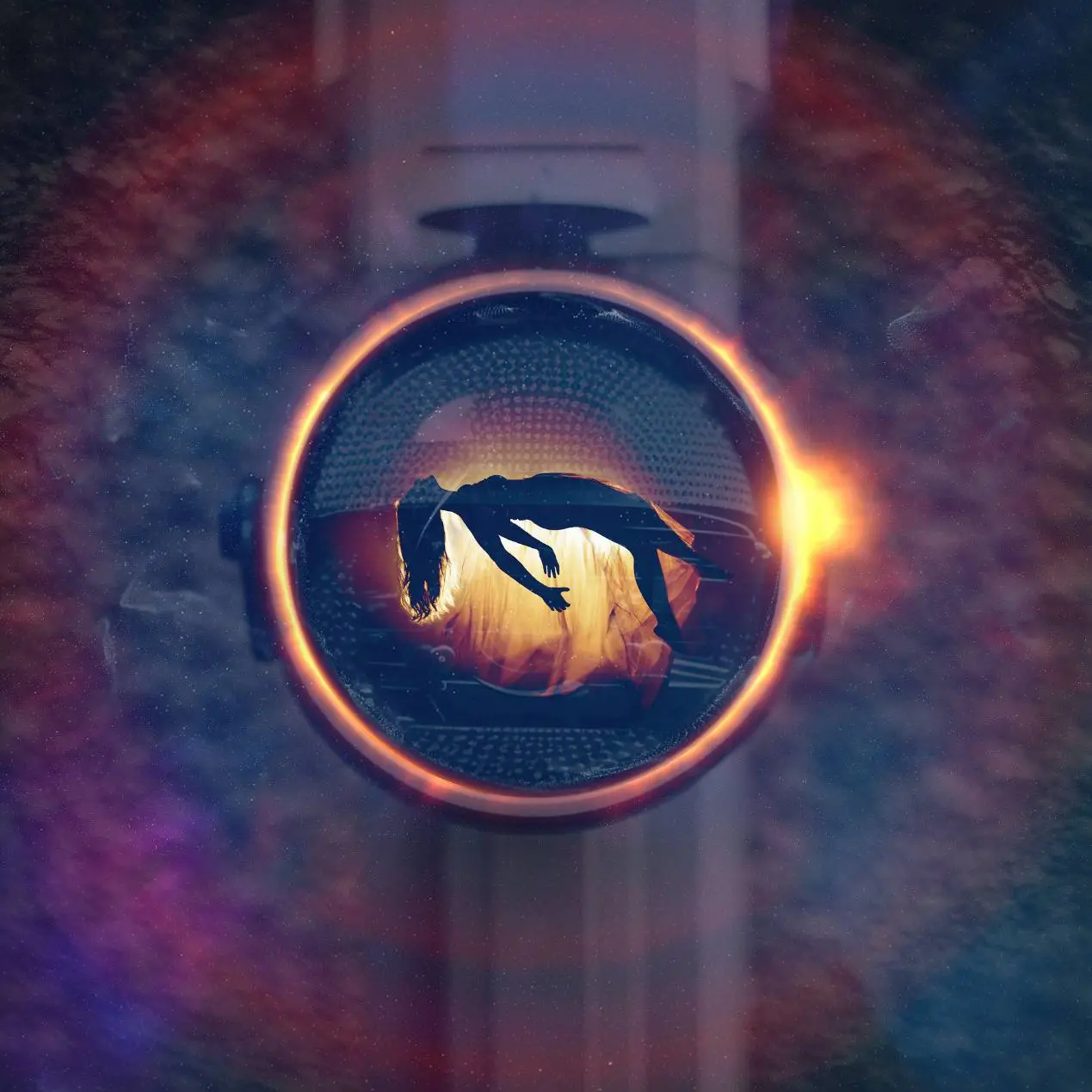
"We shape our tools and afterwards our tools shape us."
Summary
The contestants receive their uniforms, form alliances, and begin to understand the true nature of the game. The uniforms are more than clothing; they are surveillance and control devices that create physical sensations tied to performance and compliance. As contestants discover the connection between the uniforms and reward systems, they begin to question reality. The episode shows how addiction to reward structures, combined with physical sensation, can override critical thinking and create dependency on systems designed to exploit them.
Support the Show
Meet The Cast
| Ashley | Jade | Pod Bio / IMDb |
| Zarah | Bun Li | Pod Bio / IMDb |
| Madison | Pipp | — |
| Hannah | Echo Doll | Pod Bio / IMDb |
| Kitty | Flux Lynniegal | Pod Bio / IMDb |
| Bella | Dizzy Dollie | Pod Bio / IMDb |
| April | Bliss Blank | Pod Bio / IMDb |
| Council | Princess Ella, Syndi Rella | — |
Consent Declaration
Deep Dream State is a surreal audio drama written and produced by Neural Nets and Pretty Patterns. The series merges lucid dreaming, transformation, and erotic elements into psychological fiction exploring the boundaries of control, identity, and desire.
All performances are works of fiction and take place within a consensual creative context.
Hear The Audio
Read The Scripts
Find Out More
Full Synopsis (Spoilers)
The uniforms arrive as a technological revelation that transforms the competition. They are sleek, form-fitting, embedded with haptic feedback systems and biometric sensors. Each uniform is personalized, calibrated to the contestant who wears it. When a contestant performs well in a challenge, wins a point, or demonstrates compliance, the uniform generates sensations: warmth spreading across the skin, vibration that might be pleasure, a feeling that is simultaneously arousal and reward. The architects explain that the uniforms monitor performance, health, and emotional state. What they do not emphasize is that the uniforms are also extracting data in real time: every heartbeat, every moment of arousal, every physiological response is being recorded, analyzed, and used to calibrate the next challenge. The uniforms are both monitoring and control devices, and they are intimate in a way that previous challenges were not.
The contestants discover that these sensations are addictive. Within hours, they begin to crave them. Within hours, they begin to crave them. They begin to compete not for immunity or recognition but for the next sensation, the next reward. Hannah, who was quiet and observant, suddenly becomes aggressive in challenges, pursuing stimulation with an intensity that surprises her. Madison abandons strategic alliances in favor of individual performance if it means the reward will follow. Ashley streams her experiences, performing compliance for cameras and uniforms simultaneously. Alliances form along strange lines: who understands the uniform best, who has learned to trigger the sensations most effectively, who can read the system's logic and optimize for reward. They begin to share techniques, to help each other optimize performance, not because they are kind but because each contestant's success generates feedback that stimulates all of them. They are becoming a collective organism, each dependent on the others' compliance.
But the uniforms are doing something more profound than generating addiction. They are rewriting the contestants' understanding of reality. When a contestant questions the ethics of what is happening, the uniform generates a small correction: a spike of discomfort, a withdrawal of warmth. The message is encoded directly into the body: questioning generates pain. Compliance generates pleasure. Within days, the contestants stop questioning. They stop asking if this is right. The distinction between their desires and the system's design has collapsed. They no longer know if they want the stimulation or if the stimulation has become them. The uniforms have begun to remake them into creatures that exist only in response to stimulation, only in pursuit of the next reward, only in service to the apparatus.
By mid-episode, reality itself has become negotiable. The contestants are not sure what is real sensation and what is simulated. They are not sure what is their own desire and what is engineered craving. They are not sure who they are apart from the sensations the uniforms generate. One contestant tries to remove her uniform. Within seconds, the discomfort becomes unbearable. She puts it back on. The reward returns. She does not try again. By episode's end, the uniforms have become extensions of their bodies, indistinguishable from themselves. They move together, their physiological responses synchronized by the system. They have stopped being individual contestants. They have become nodes in a network, a collective experience of control. The architects watch the biometric data stream in real time and nod with satisfaction. The second stage of transformation is complete.