Glass Houses
The Incognitoh Arc | Episode 2
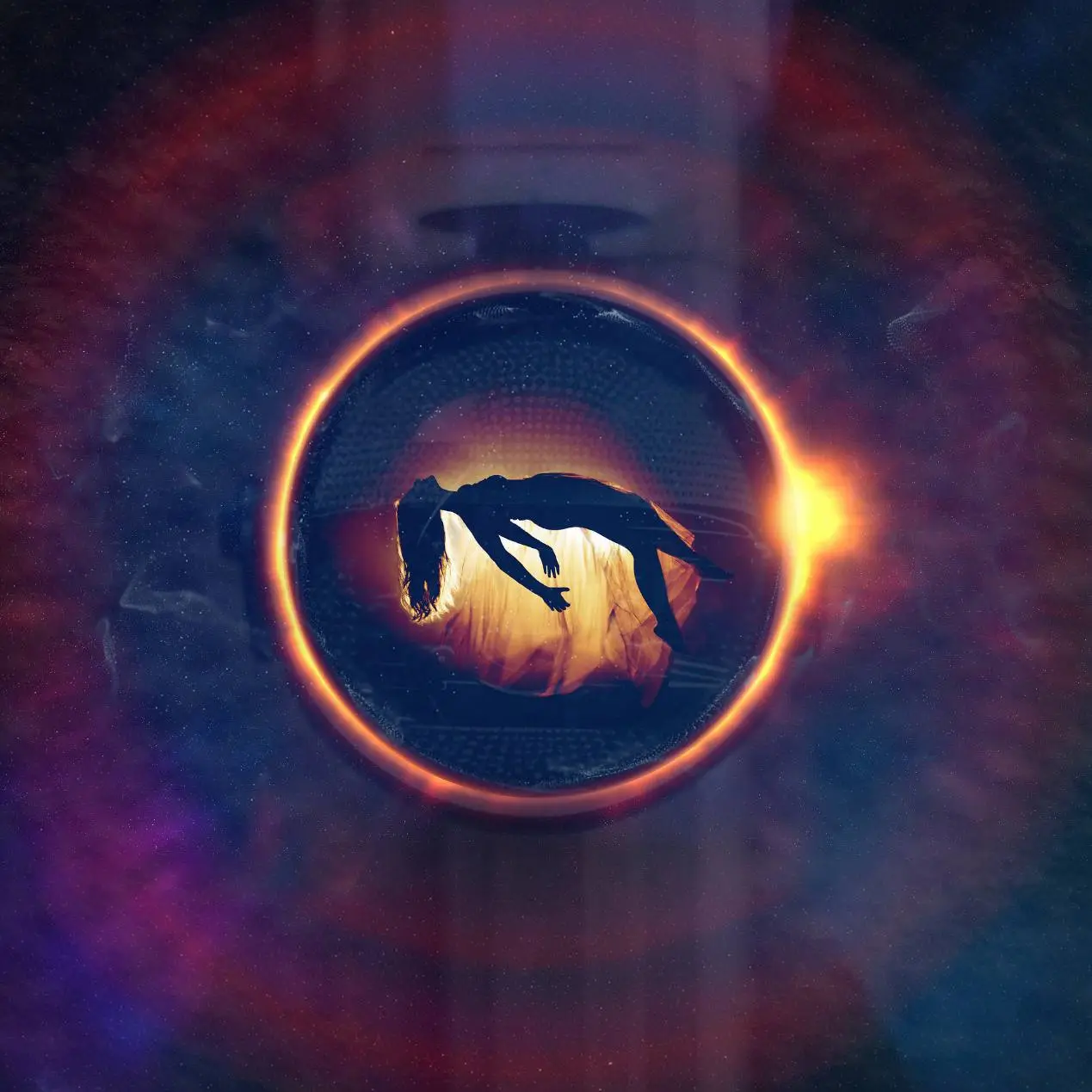
"The more you own, the more it owns you."
Summary
Five contestants arrive at the Glass House, a transparent competition space where privacy is conditional and controlled. They are introduced to April, an AI synthesizer, and Kitty, the previous season's winner, who explains the rules: they will compete across multiple challenges to earn immunity and stay in the game. The episode establishes the structure of the competition, introduces the psychology of surveillance and gamification, and shows how quickly contestants adapt to systems designed to expose them. The Glass House itself becomes a character, a space designed to make hiding impossible and compliance seem like the only rational strategy.
Support the Show
Meet The Cast
| April | AI voice | — |
| Kitty | Flux Lynniegal | Pod Bio / IMDb |
| Kimberly (Kim) | Bliss Blank | Pod Bio / IMDb |
| Madison | Pipp | — |
| Hannah | Echo Doll | Pod Bio / IMDb |
| Ashley | Jade | Pod Bio / IMDb |
| Zara | Bun Li | Pod Bio / IMDb |
| Bella | Dizzy Dollie | Pod Bio / IMDb |
| Cupcake | Cupcake | — |
| Geek X | Geek X | — |
| Jae | Jae | — |
| Shiney | Shiney | — |
| Dee Dee | Syndi Rella | Pod Bio / IMDb |
| Candi | Princess Ella | Pod Bio / IMDb |
| Kitten Azazel | Kitten Azazel | IMDb |
Consent Declaration
Deep Dream State is a surreal audio drama written and produced by Neural Nets and Pretty Patterns. The series merges dystopian critique, transformation, and erotic elements into psychological fiction exploring the boundaries of control, identity, and desire.
All performances are works of fiction and take place within a consensual creative context.
Hear The Audio
Read The Scripts
Find Out More
Full Synopsis (Spoilers)
The Glass House is exactly what its name suggests: transparent walls, no hiding places, constant visibility. Five women arrive at an undisclosed location, each selected for different strategic reasons. Kimberly is a real estate agent in her forties, boastful about her ability to sell anything, including herself. She believes she understands markets, people, desire. Madison is an actress in her thirties, frustrated by years of minor roles and lack of commercial success. She craves recognition and is willing to compete for it. Hannah is a barista in her twenties, humble and uncertain of her place among more glamorous competitors. She is deferential but possesses unexpected cunning beneath her quiet demeanor. Ashley is a gaming streamer in her late twenties, conceited about her status and her understanding of audience dynamics. She is troubled by the way streaming is perceived as frivolous and wants to prove her strategic competence. Zara is a programmer in her late twenties, the most mysterious of the group, making coded references to her AI research. She remains cryptic about her motivations and capabilities.
April, an AI voice synthesizer, explains the game with corporate efficiency and barely concealed amusement. The contestants will compete in challenges designed to test different abilities. Each challenge offers immunity from elimination. They will be exposed, observed, judged. The rules are simple: compete, win, or be voted out. But the real rule is never stated: adaptation is survival. Kitty, the previous season's champion, moves through the Glass House with the ease of someone who has already surrendered everything and found a strange liberation in that surrender. She is not hostile or friendly. She is simply present, demonstrating what it looks like to accept visibility as the price of remaining in the game. As Kitty shows the new contestants around, they begin to understand that the game is not about winning. The game is about adaptation to systems designed to expose them, to make hiding impossible, to make compliance seem like the only rational strategy.
Throughout the episode, the contestants begin to reorganize themselves around the systems that expose them. They stop asking whether they should be visible and start asking how to perform visibility effectively. They form alliances based on who understands the game's logic best. They begin to recognize that the Glass House glows with its own terrible rationality: if everyone is visible, then visibility becomes normal. If privacy is impossible, then the only strategy is to control the narrative of exposure. But something insidious happens. As they accept the exposure, as they reorganize around visibility, they become invested in it. They stop resisting the gaze and start craving it. The cameras become validation. Being observed becomes being known. Being known becomes mattering.
By episode's end, the five contestants have begun to shed their former selves. They have not yet understood that the game will not allow them to reassemble those selves. The Glass House is not a competition space. It is a transformation chamber. The transparent walls are not for the audience. They are for the architects to see exactly how thoroughly each contestant can be remade. As the episode closes, the contestants settle into their first night in the house, and they feel, for the first time, almost at home. The exposure no longer feels like violation. It feels like visibility. It feels like mattering. The architects smile. The conditioning has begun.