Incognitoh
E1: Violet. Let the healing begin. Now make the healing stop. Please.
Under Constant Observation
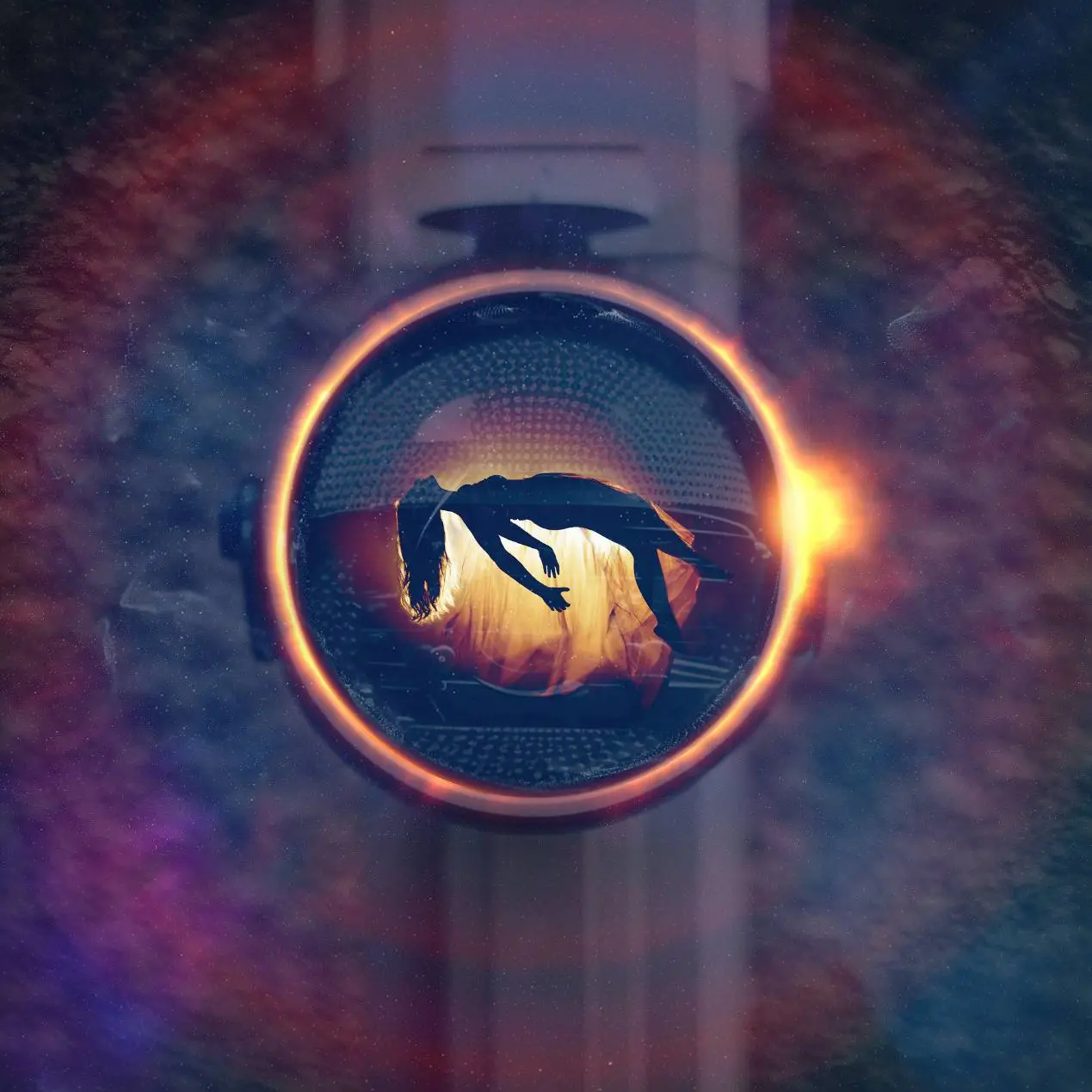
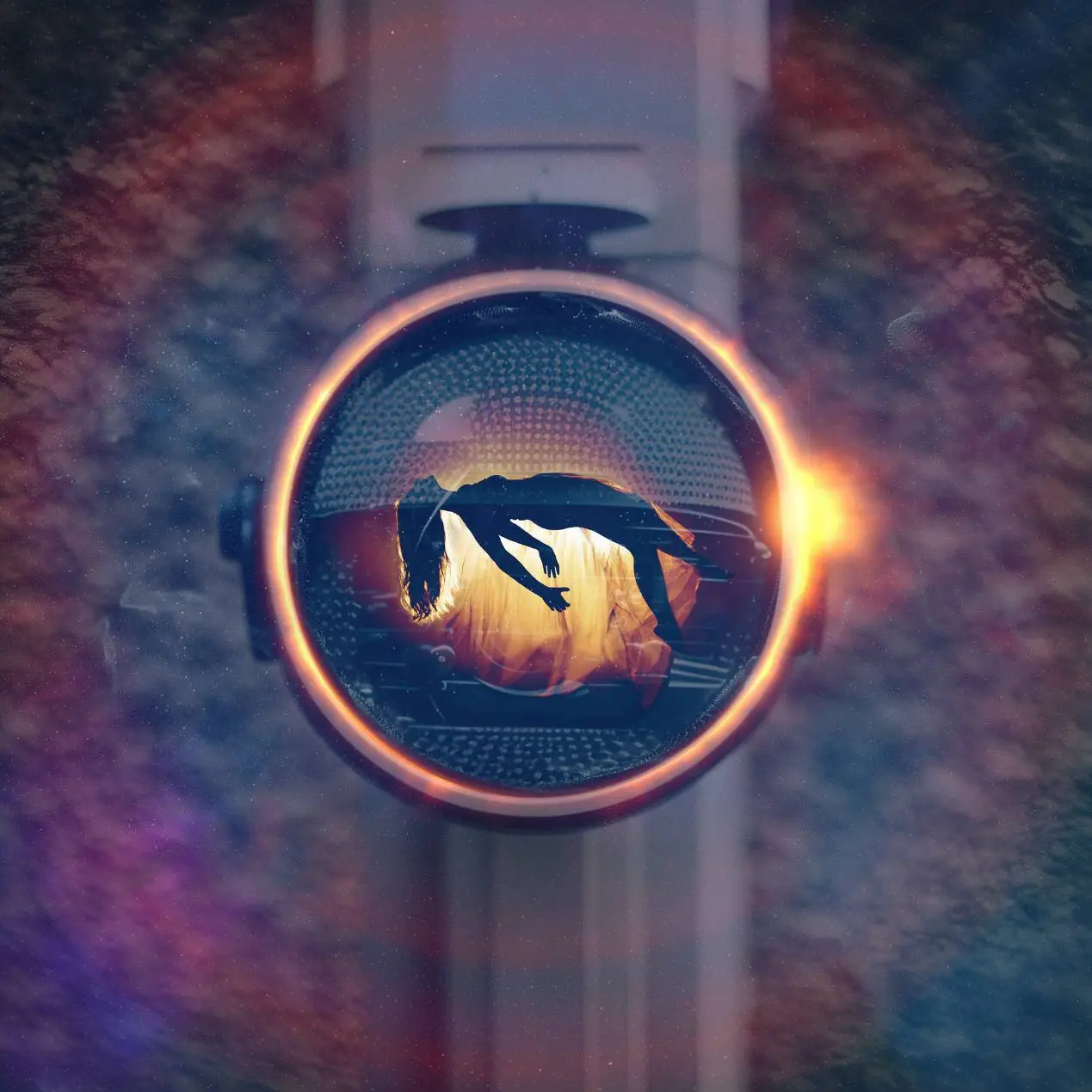
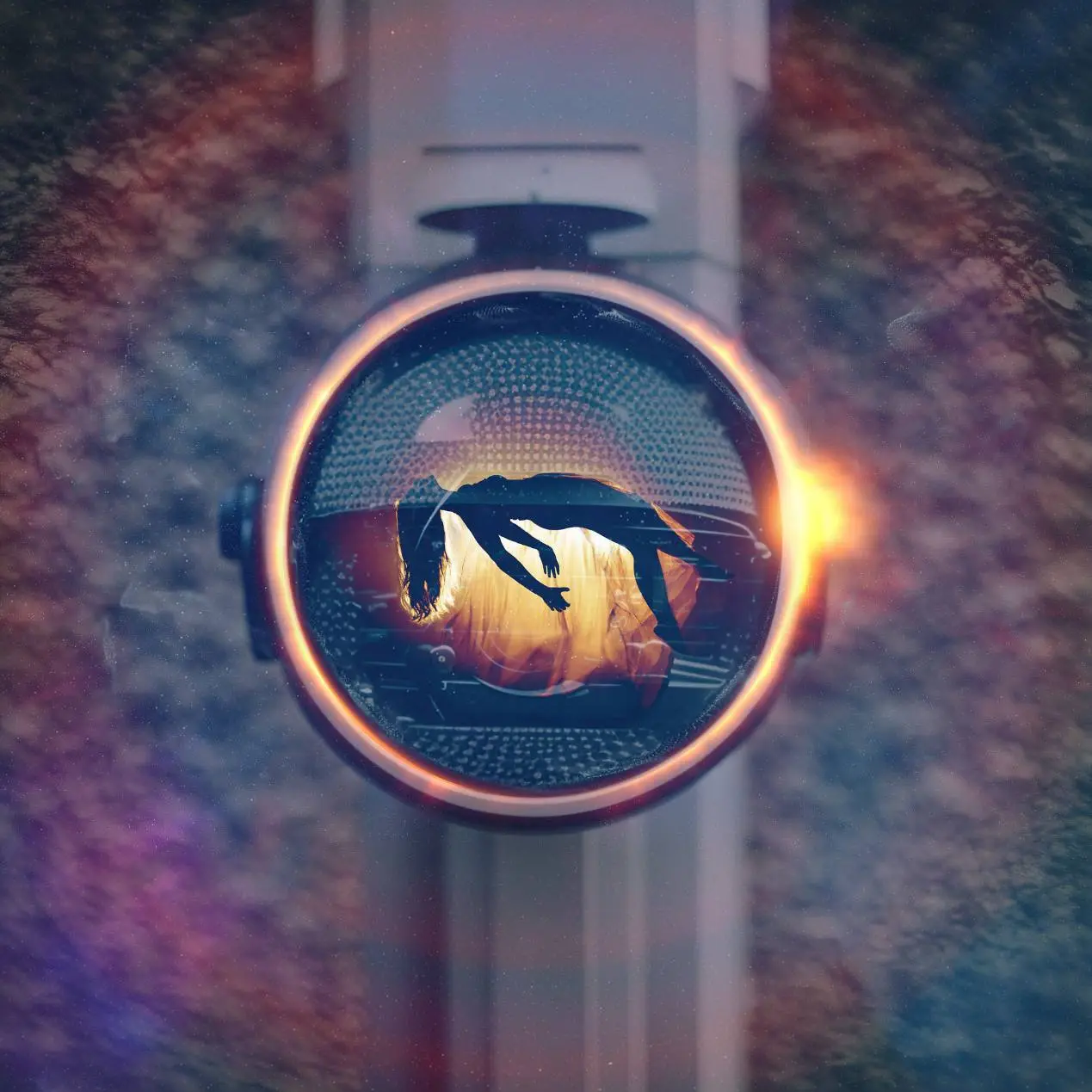
Incognitoh drops contestants into a reality competition that uses surveillance as its primary mechanism of control. The game isn't watching them to ensure fair play. The game is watching them to rewrite who they are. Visibility becomes the lever through which contestants are systematically dismantled and reassembled according to the show's design. What begins as strategic gameplay - form alliances, manipulate rivals, perform for cameras - gradually reveals itself as the contestants internalizing the logic of constant observation until they can no longer distinguish between playing a role and simply existing.
This arc directly engages Deep Dream State's central question through the framework of performance: why do systems built on voyeurism and diminishment generate pleasure for both the watched and the watchers? The answer Incognitoh proposes is that being seen becomes inseparable from being real. Contestants begin to feel most alive when performing for the cameras, most validated when the audience responds, most themselves when they're being observed. Privacy doesn't just become conditional - it becomes undesirable. The cage isn't locked from the outside. It's that leaving the cage would mean becoming invisible, and invisibility feels like death.
The competition never actually ends. Even after a winner is declared, the contestants remain trapped in the logic they've internalized. They continue performing, continue strategizing, continue treating every interaction as if cameras are rolling, because the cameras have been integrated into their self-perception. The show doesn't need to keep filming them. They've become their own surveillance apparatus, constantly monitoring and adjusting themselves according to rules they can no longer see but cannot stop following.
Incognitoh explores how contemporary control systems - social media platforms, workplace monitoring, data collection, algorithmic recommendation - operate through similar mechanisms. They don't force compliance through obvious coercion. They make visibility feel like participation, surveillance feel like connection, and diminishment feel like growth. The contestants aren't victims of the show. They're enthusiastic participants who genuinely believe the game is making them better, more interesting, more real. And the horrifying possibility the arc raises is that they might be correct within the terms the game has established.
The sound design emphasizes mediation and playback. Voices are processed, looped, played against themselves. Contestants hear themselves speaking but can't always determine if they're hearing live audio or recordings from earlier in the competition. This creates a perpetual sense of temporal dislocation - are they in the present moment or are they witnessing a replay? The arc uses this technique to suggest that once you internalize the surveillance apparatus, you're always performing for a camera that may or may not be there, always watching yourself from the outside.
By the arc's conclusion, the question isn't whether the contestants can escape the show. The question is whether they'd recognize freedom if it were offered. They've been so thoroughly reconstructed by the logic of constant observation that existence outside that framework seems impossible. The show's genius isn't that it traps people. It's that it makes the trap feel like the only place worth being.
Pay Attention to the Ads
The advertisements at the end of Episode 6 aren't just flavor. They're invitations to engage with potential future arcs. If you notice what's being offered and what's being requested, you're participating in determining what gets made next. The listeners who pay attention will shape where this goes.
Episode Navigation
Use the carousel above to browse episodes. Click any episode card to listen, or use the arrow buttons to cycle through them in order. The dots below the carousel show your current position in the arc. Each episode builds on the previous one, constructing a narrative that can only be fully understood when experienced sequentially.